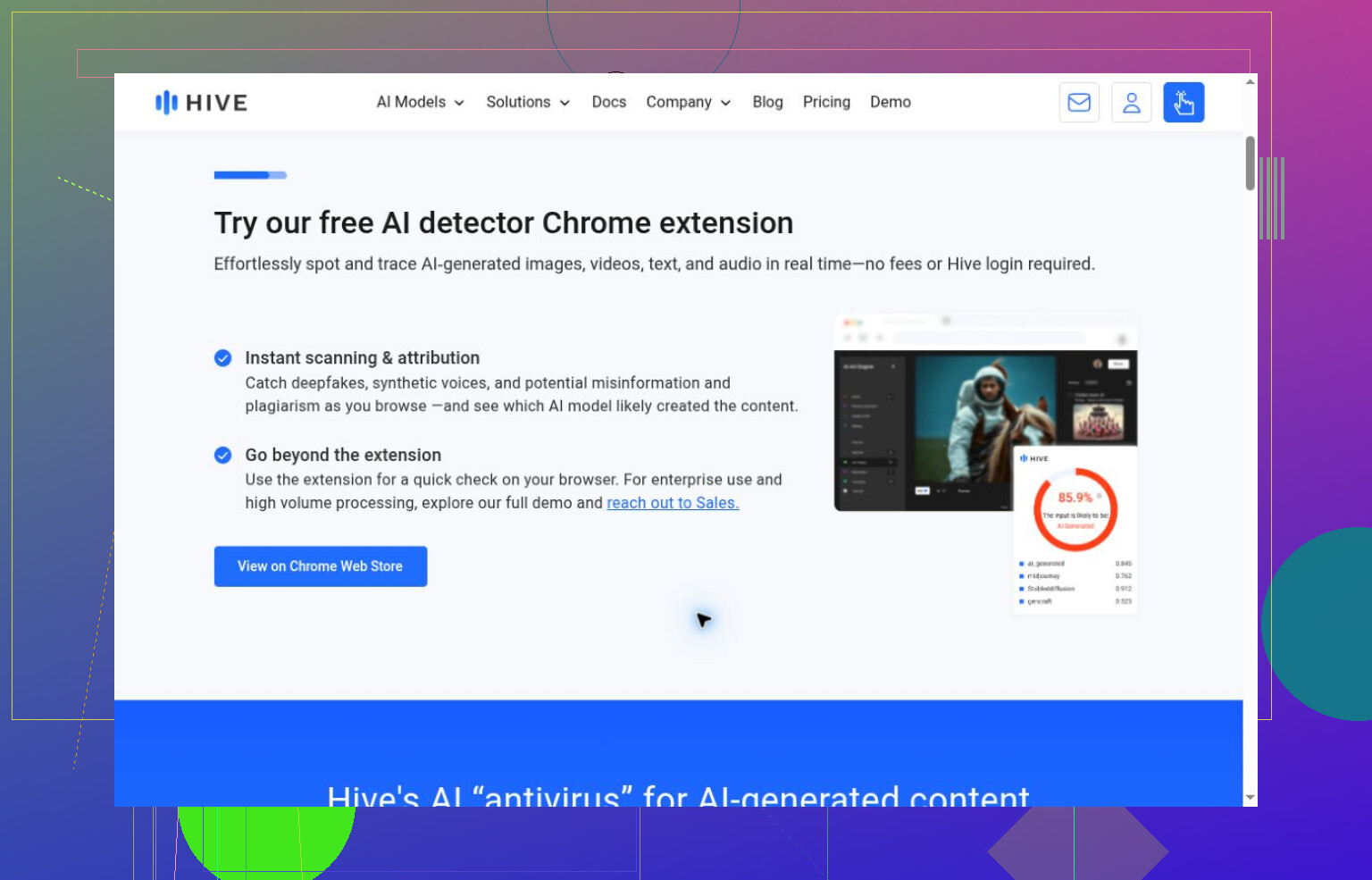
I ran a 437-word draft I wrote myself through Hive AI Detector, and it flagged the text as AI-generated. That’s frustrating when I’m just checking an article before sending it to an editor. How much weight should I give that result if I still have my revision history?
The mistake is treating a confident AI score as proof that the detector is right. I’d pay more attention to what happens with known human writing, because some tools sounded very certain while getting that basic check wrong.
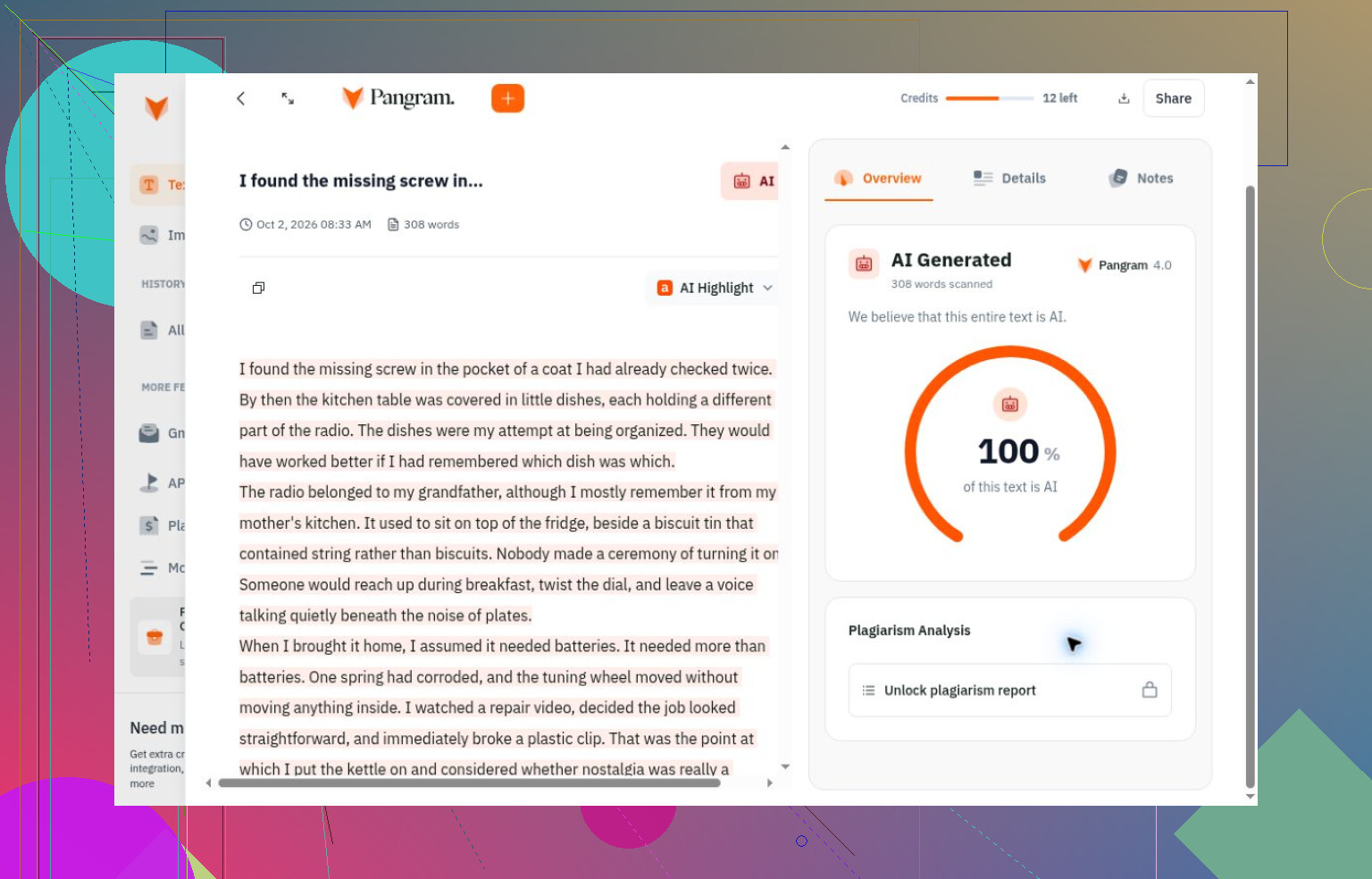
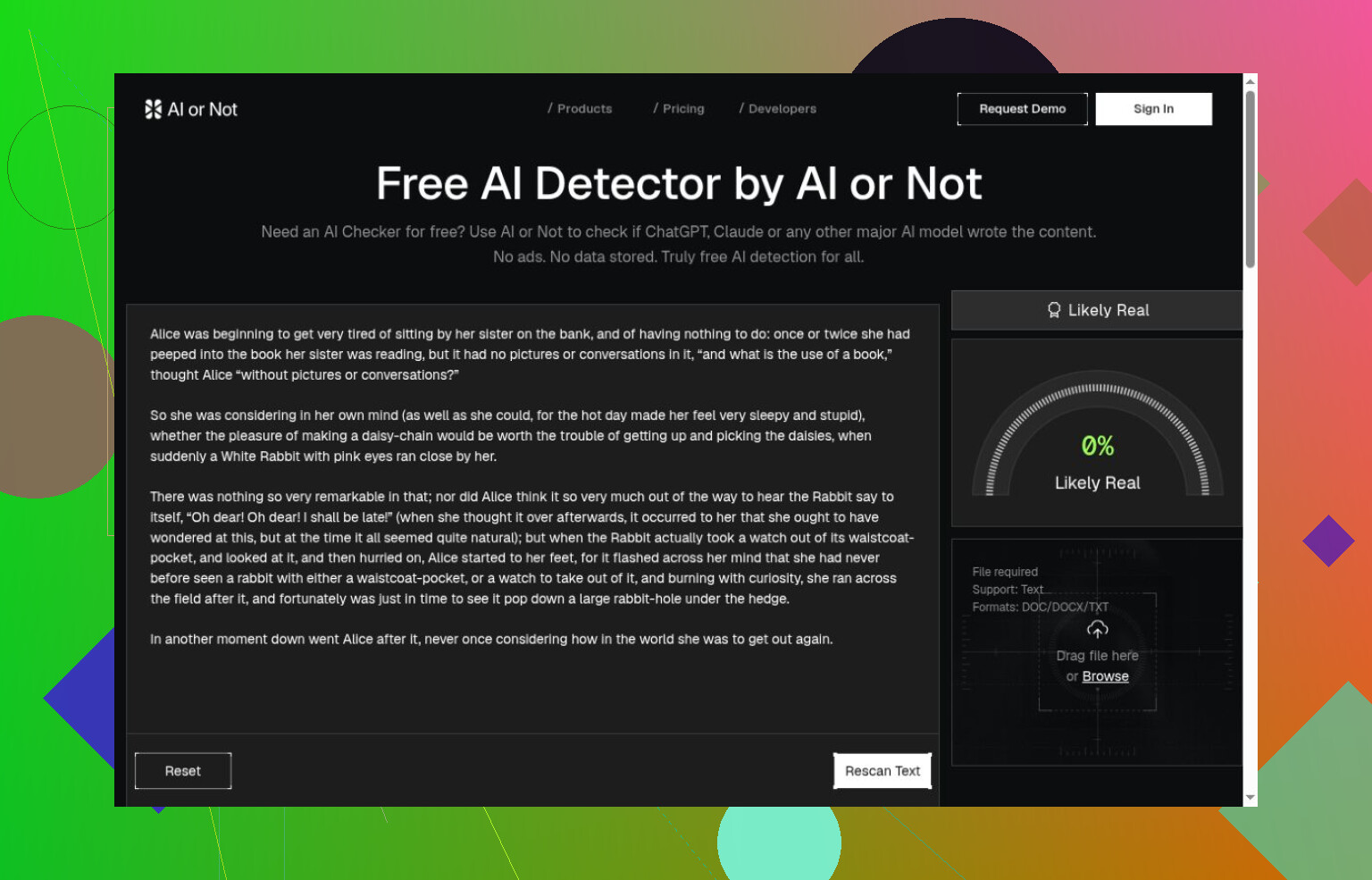
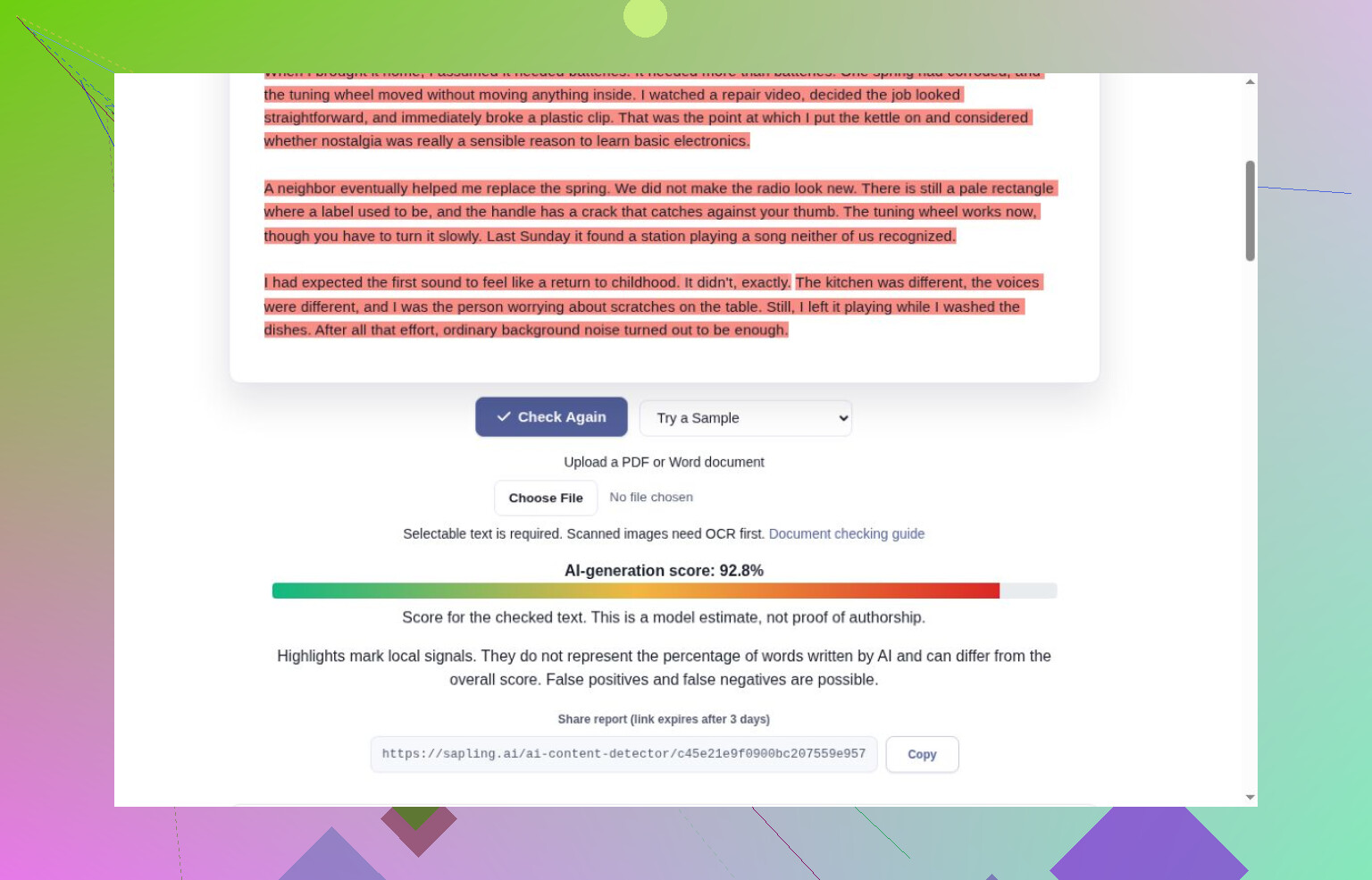
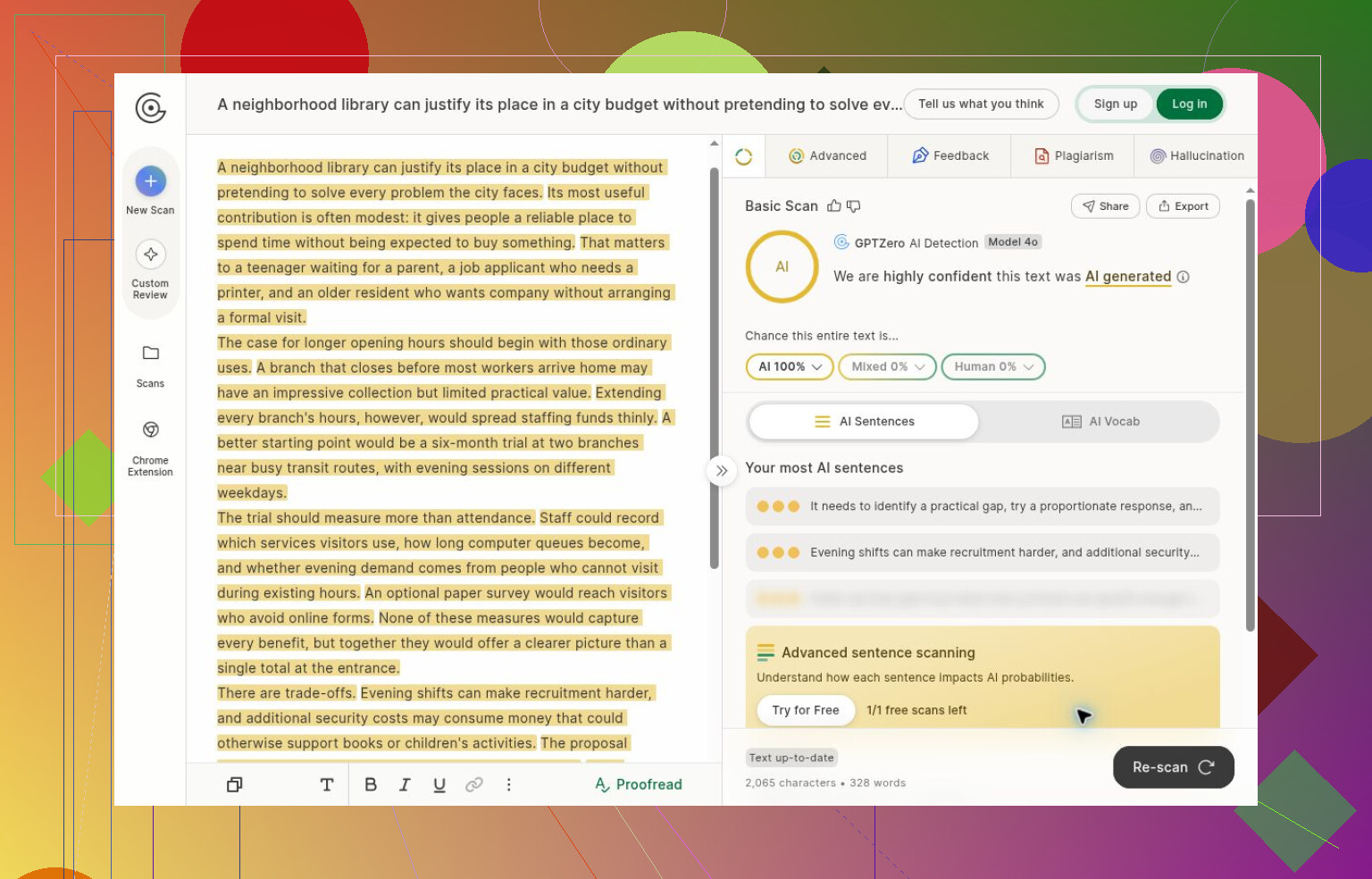
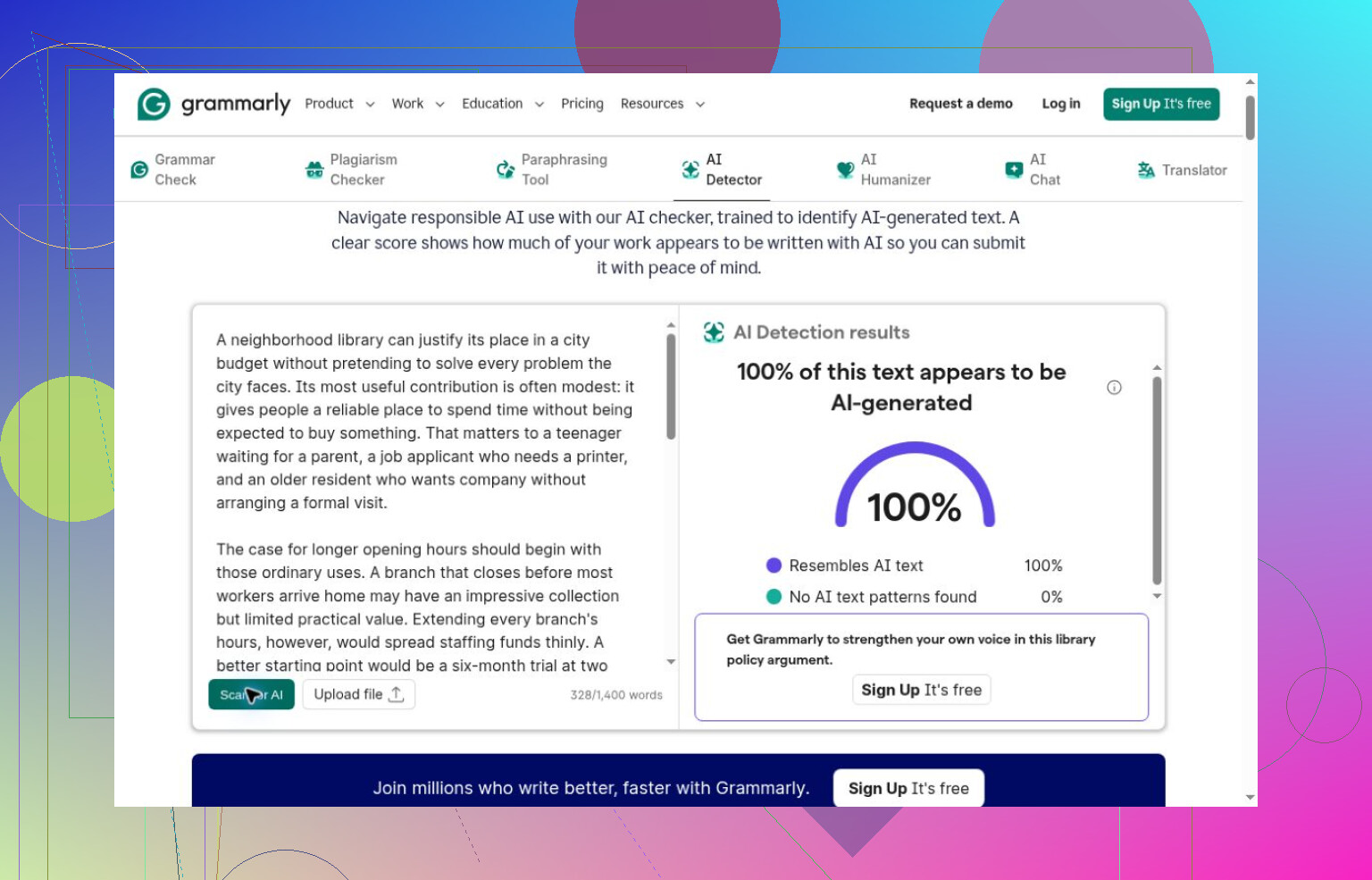
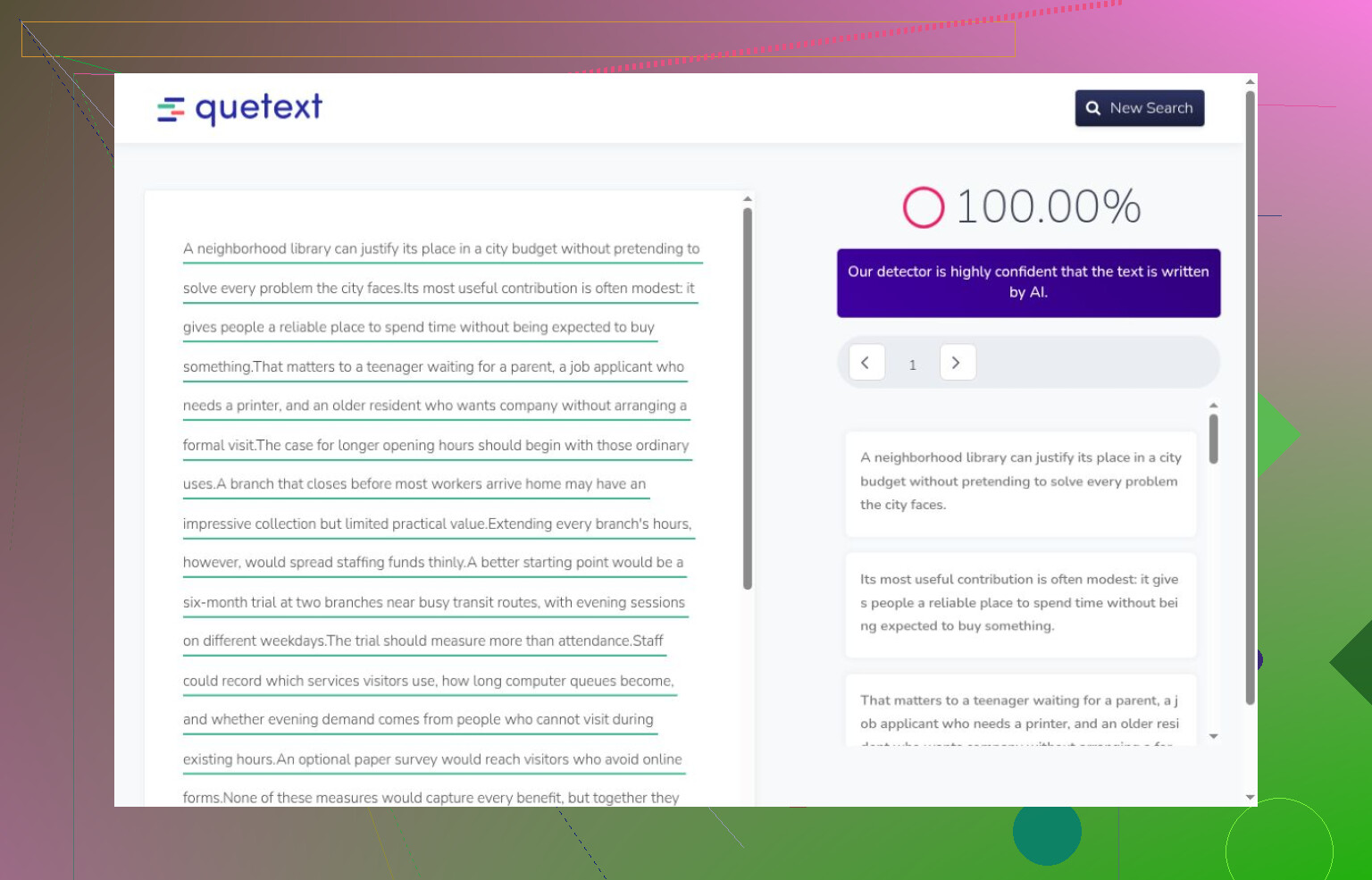
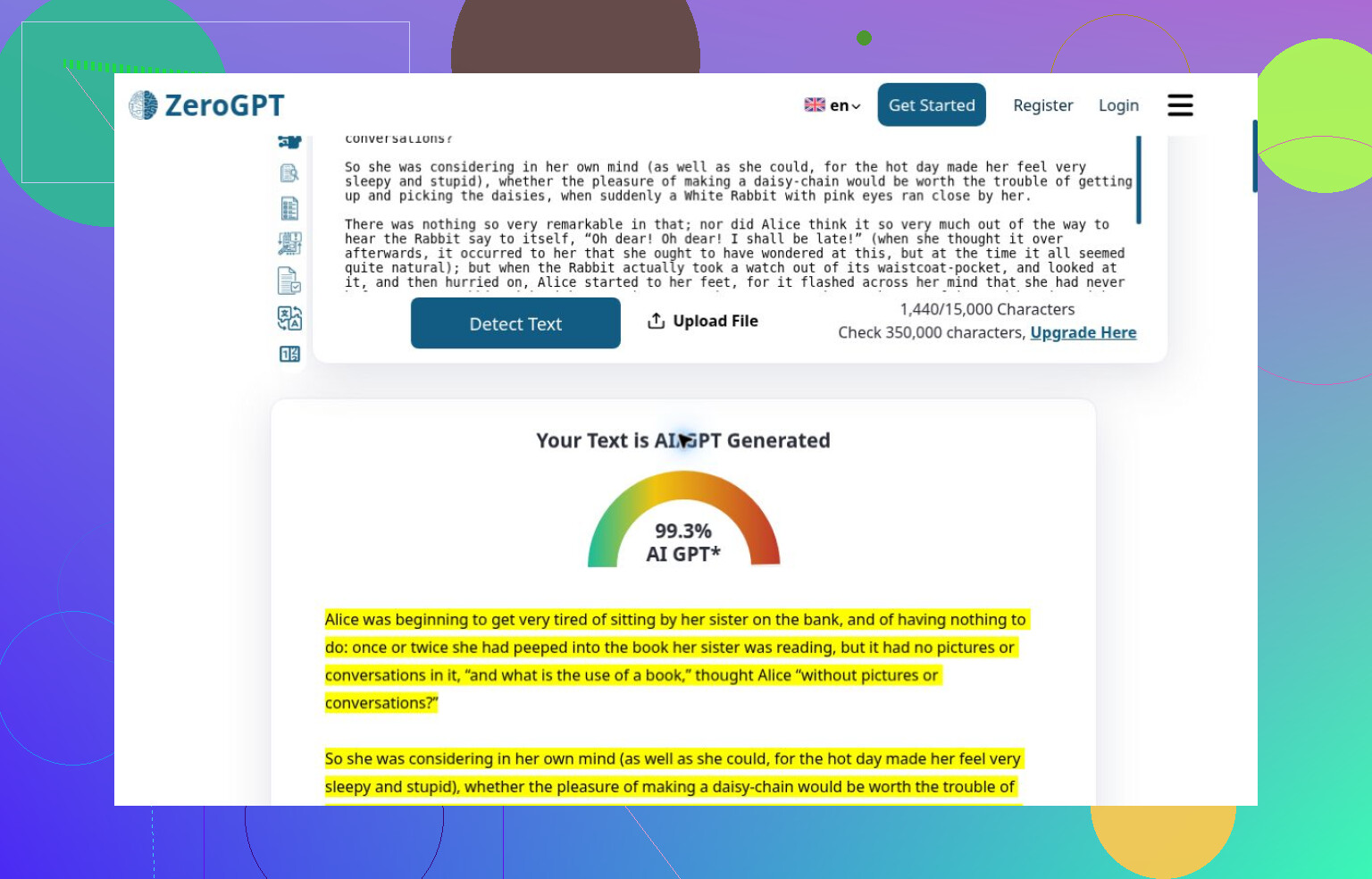
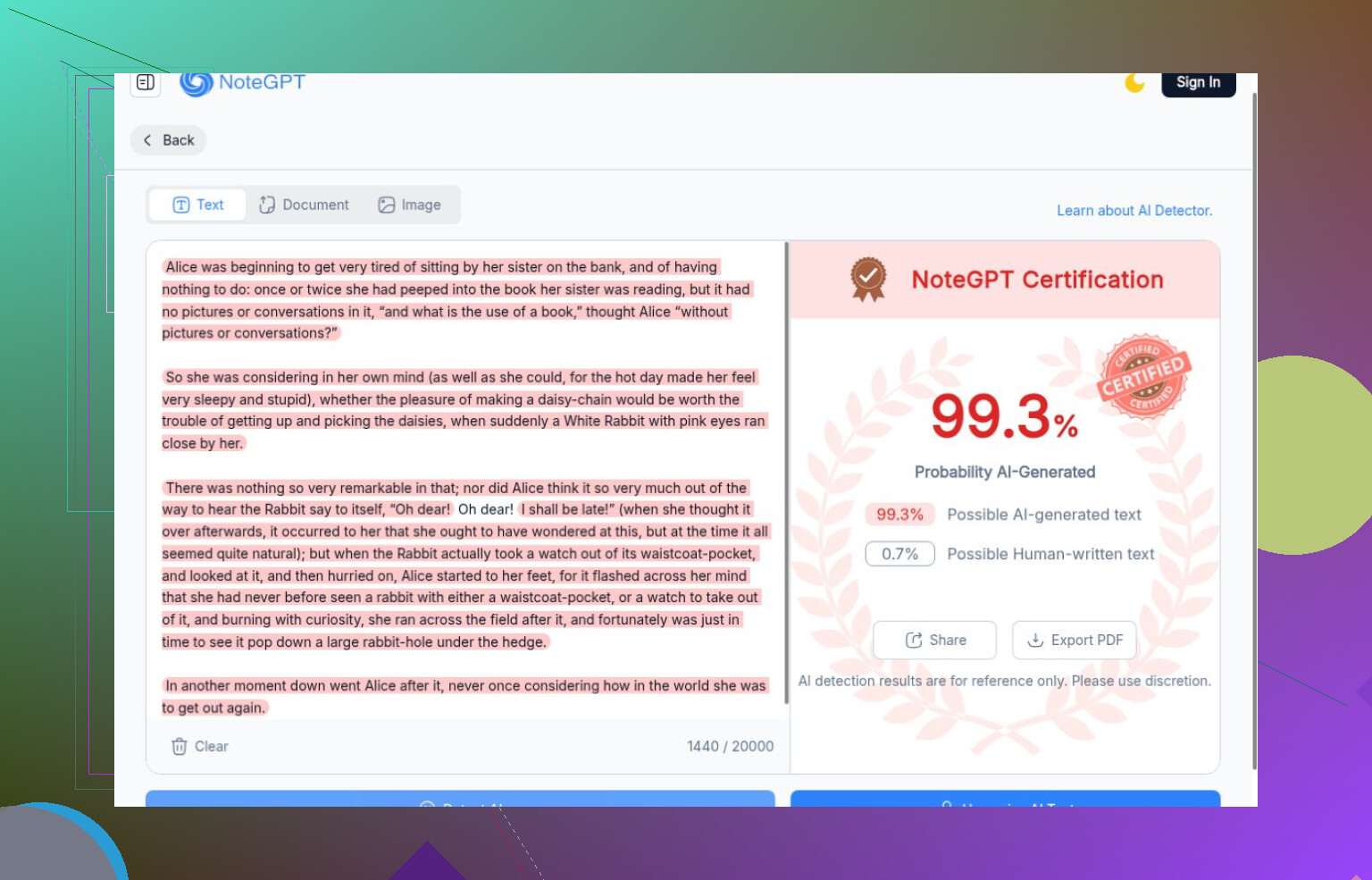
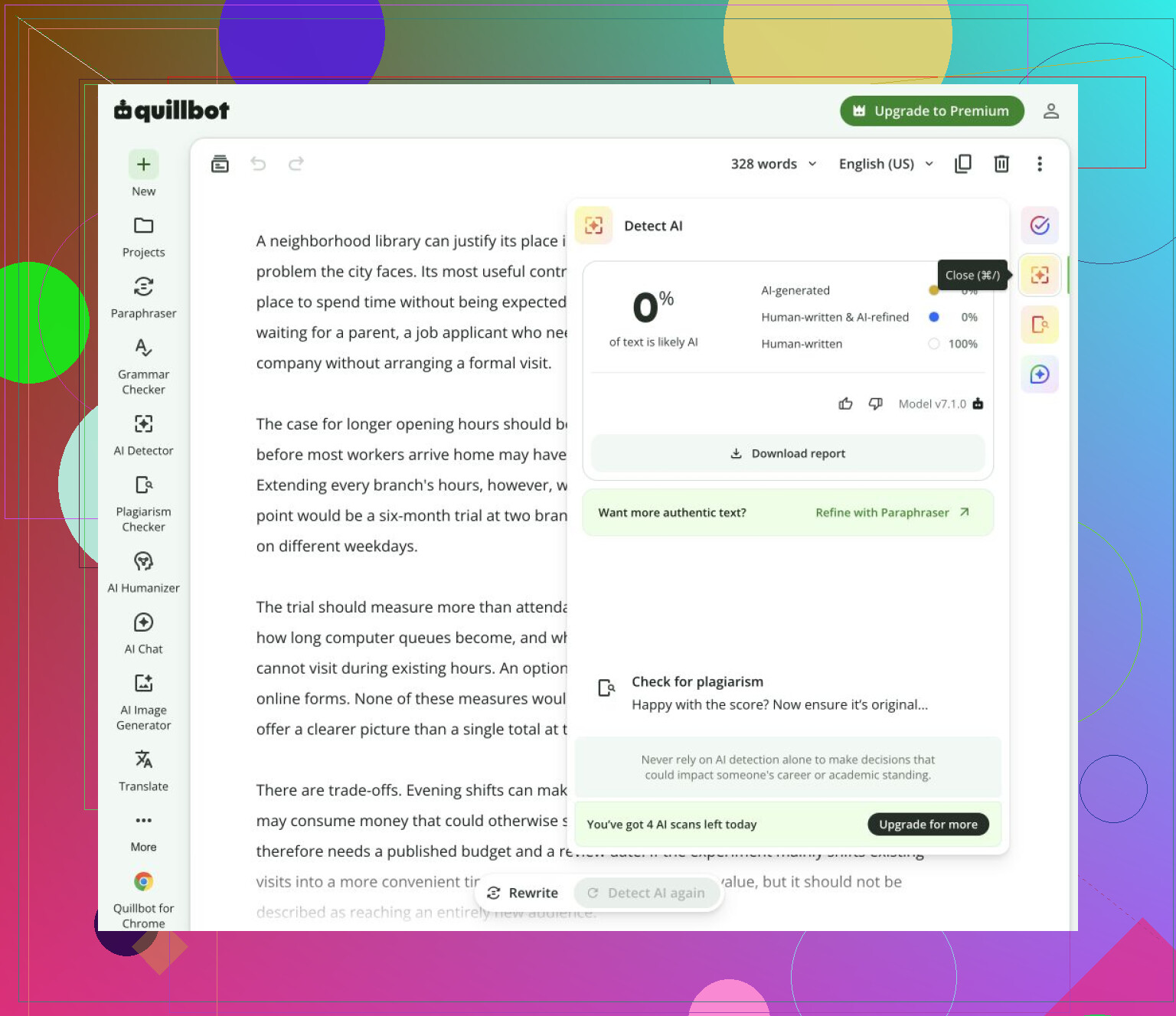
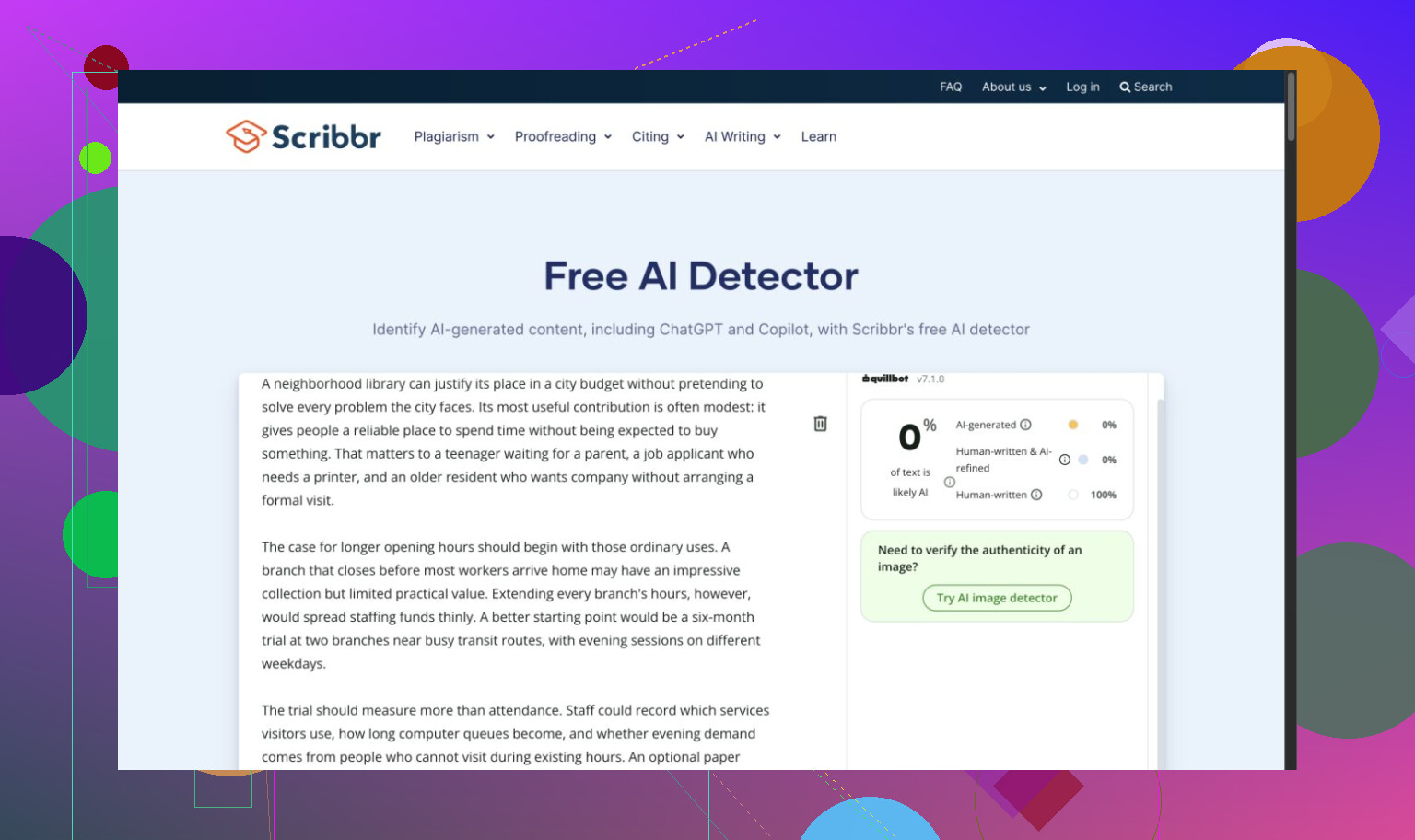
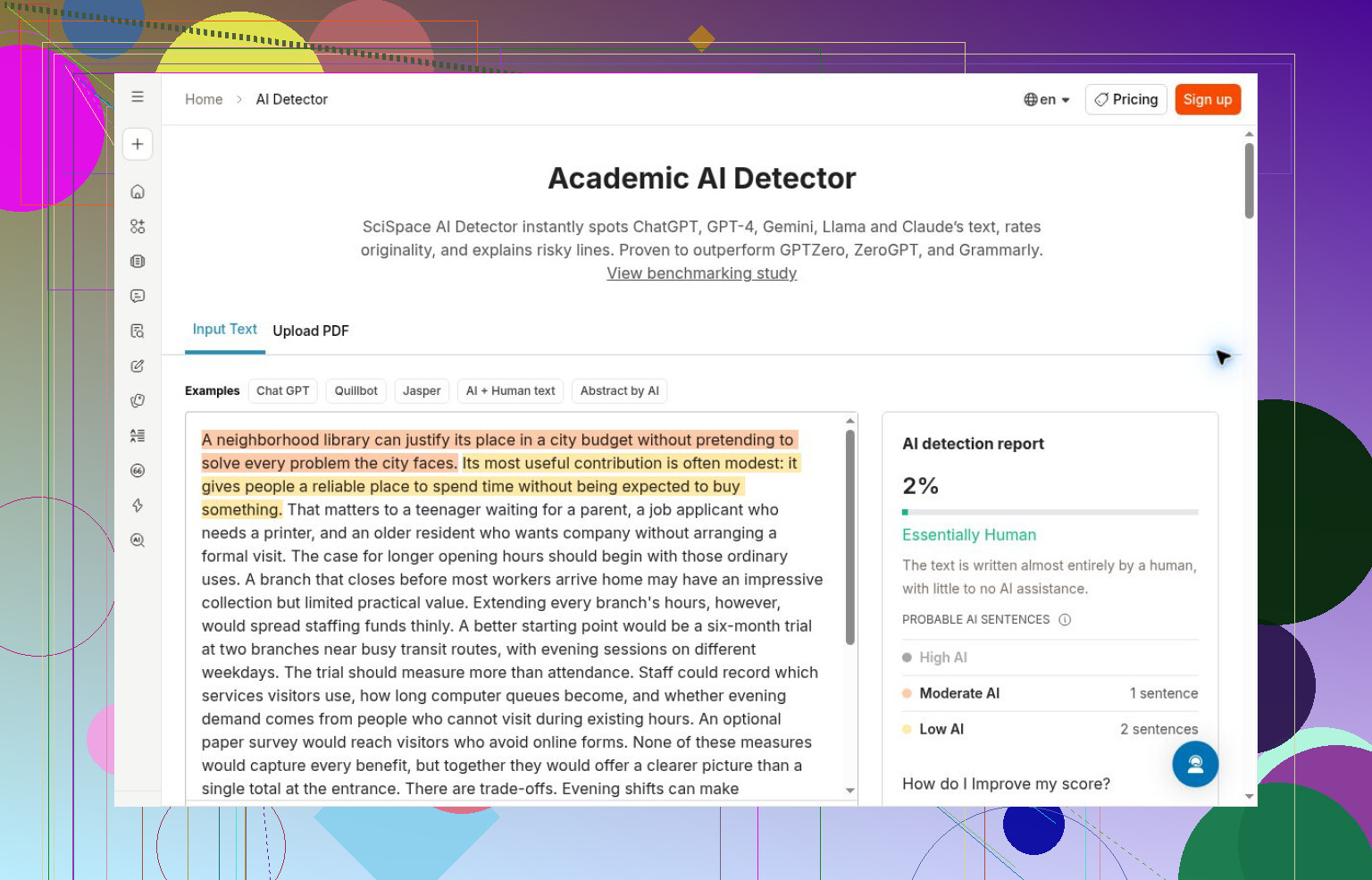
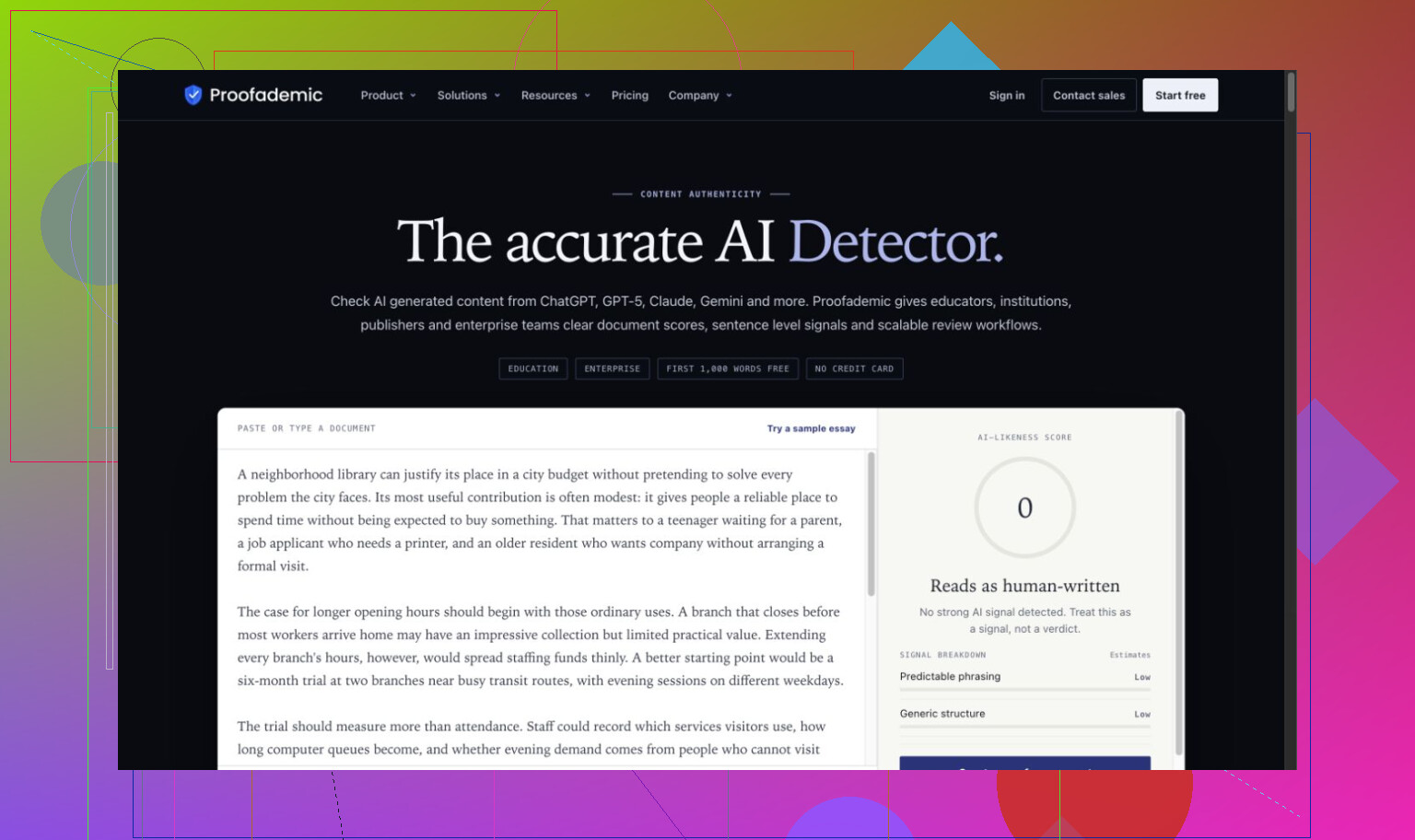
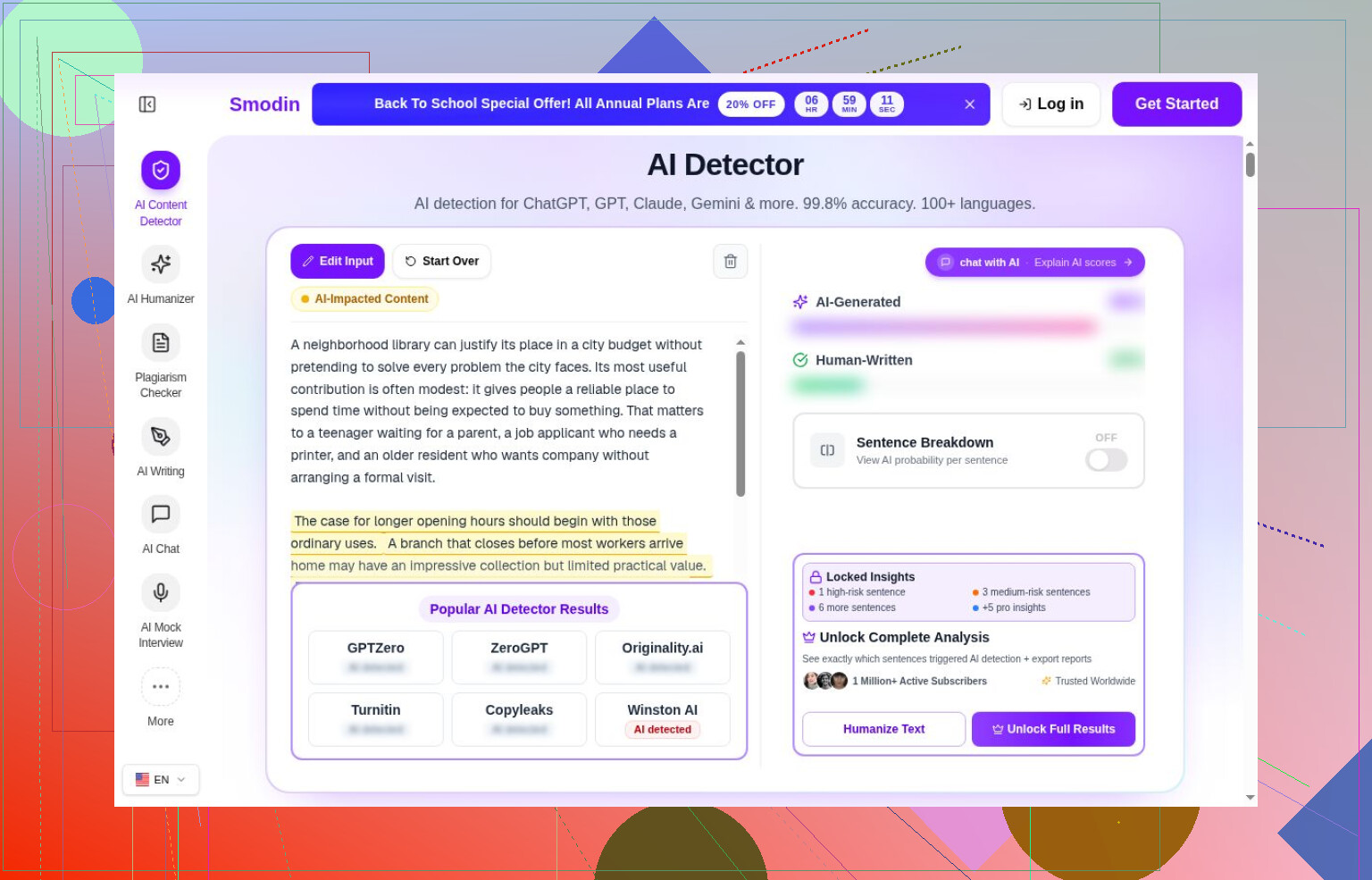
ZeroGPT caught every generated passage but labeled the Lewis Carroll excerpt 99.3% AI, higher than any of the actual AI samples. QuillBot went the other way, calling all four generated passages human-written. Those failures matter more to me than a polished explanation or colorful sentence highlights. Confidence, probability, and estimated AI share also aren’t interchangeable measurements.
For context, I reused six unchanged English passages: generated writing across different formats, Carroll, and a lightly AI-edited version of Carroll. I counted only completed checks. That’s a small comparison, not a general accuracy study, especially since some passages were related and the human control was literary rather than everyday modern writing.
For a quick check without account setup, I had the least friction with Clever AI Detector and finished the whole set free. It caught the generated samples and accepted Carroll. It also accepted the edited version as human, though, so I wouldn’t take that as evidence it reliably spots mixed writing. Pangram, Originality.ai, and AI or Not got their completed AI and human checks right too, but covered less of the set.
I’d separate access problems from detection failures. A registration screen, hidden result, or uninstalled extension tells me nothing about accuracy. Likewise, GPTZero’s old score staying visible after I replaced the text wasn’t a fresh result, and Sapling’s essay check didn’t cover the entire input.
My takeaway is to check what actually ran before comparing verdicts. What kinds of everyday human writing would you want included in a broader comparison?
12 Likes
Do not rewrite this to sound good for a detector. I think that the comparison is very interesting, however, I would spend less time and effort trying to check if the hive is original against the clever AI detector, instead, I would focus more on the outline and revision history. If someone were to question us about authorship, I would give them both the outline and show how the article was revised rather than me defending the score.
Be careful about turning an optional detector check into a submission requirement your editor never set. I’d give Hive’s verdict very little weight here. Before spending more time testing the draft, check whether the editor even asks for a detector result. If they do, ask how they handle a disputed flag. That’s a workflow question you need answered, not something another score can settle.
The comparison is interesting, but choosing the best-performing detector still leaves that editorial question unanswered. I’d still reach for Clever AI Detector for a second opinion, with a stopping point set beforehand. My reservation is the extra review chore: now you’re interpreting competing verdicts instead of checking your article’s sources, wording, and fit for the publication. I wouldn’t hold back a self-written draft solely because Hive objected to it.
Whether your draft includes quotes that have not been published or belong to your confidential clients makes a difference, which is why I would object to getting a second opinion on it before even uploading it somewhere else. What I mean is, make sure the terms of use of this service do not allow them to retain and re-use your text in any way. I am not implying that they did something wrong with my text, but I would not share an unpublished article on multiple plagiarism checkers just like that to satisfy my own curiosity in regards to their results.
To be absolutely honest, I would not pay attention to this flag when deciding if I want to submit my paper somewhere or not. However, if you still want to get it checked by an external party for whatever reason, I would suggest using Clever AI Detector’s ‘Copy Report’ button, which is available on their page. It is always useful to have an option to save the result right away instead of having to take screenshots, but personally, that would not be my priority in this scenario. In my opinion, an option to keep my draft private is more important than getting multiple opinions on it if I do not want to share it publicly.
The missing detail in the second-opinion advice is whether the detectors make independent errors. Without evidence of that, I wouldn’t treat agreement between them as a stronger case against your draft. Running more checks gives you more outputs, but it doesn’t automatically give you more independent evidence.
Suppose two tools both react to some feature of your writing that has nothing to do with how you actually composed it. If both flag the piece, counting that as two separate confirmations would overstate the evidence. That’s a hypothetical, not a claim about what Hive or any particular competitor measures. We haven’t established how much their mistakes overlap, so a majority vote would be hard to justify.
This is where I disagree with using another detector to settle the result. If the next tool says “human,” you have a disagreement without a way to decide which output deserves priority. If it says “AI,” you still haven’t established that it provides an independent check. Choosing whichever verdict feels right would be arbitrary, but treating whichever verdict sounds most suspicious as decisive would be arbitrary too.
For your draft, I’d give Hive’s flag very little weight as evidence of authorship, taking your account that you wrote it yourself as the starting point. There are two separate questions here: whether you wrote the article, and whether a detector classifies it correctly. You already have direct knowledge of the first. The flag raises a question about the second. Testing additional tools could be useful if you want to investigate detector behavior, but that would be a separate project, not unfinished work on the article.
A typical writing process is unlikely to create a pristine paper trail. Some people outline, and some people type freely and trash half of it.
I would propose a very limited set of revision-history notes: keep your own notes to yourself, but do not present documenting every little change as an unpaid job. Notes would help if someone asks you who wrote this, but the lack of them should not be presented as evidence.
Given your own account, I would not recommend taking this flag seriously in choosing whether to alter the draft or not. I would most certainly not rebuild outlines to make the process cleaner, as it would document a performance rather than the writing itself.
If an editor were to push the matter, “I wrote this, so what exactly is the problem with the article?” would be a reasonable response. You should not have to prepare a dossier of evidence before someone can accuse you of committing plagiarism.
If your draft went through a couple of tight editing passes before you ran it, that alone can tip a score toward AI. Detectors lean heavily on how predictable and smooth the text is. Clean, trimmed sentences with even rhythm read as low surprise to these models, which is exactly what you get after you polish your own work. So the irony is that the better you self-edit, the more likely a tool like Hive calls it machine-written. Worth keeping in mind before you read the flag as a verdict on where the words came from.
@kernelnode5670 nailed the part people skip. Running a second detector doesn’t give you a second opinion if both tools react to the same surface features. They mostly do. Perplexity and burstiness are the common thread across a lot of these, so two agreeing scores can just mean your writing style is consistent, not that you plagiarized anything. Stacking verdicts feels like evidence and mostly isn’t.
Where I’d soften the thread a little is the idea that checking is pointless. It isn’t, as long as you’re clear about what you’re checking. If you want to understand why Hive reacted the way it did, a per-sentence breakdown can show you which chunks it latched onto. Clever AI Detector is what I’d open for that, since it points at the specific spans rather than handing you one number. That won’t prove authorship, but it tells you whether the flag is reacting to one tidy paragraph or the whole thing, which is more useful than a global percentage.
On the privacy angle @thread.vim raised, that’s the real reason to go light here, not accuracy. If the draft has unpublished quotes or client material, the smart move is just not uploading it anywhere until it’s out the door. No detector result is worth that trade.
Honestly my take is simpler than most of the thread. You wrote it. Send it. If the editor never asked for a detector pass, you’ve invented a hurdle that nobody put in front of you.
Keep a second detector’s highlights separate from any explanation of Hive’s verdict. @tech_ben80, those highlights wouldn’t establish which passages Hive reacted to, much less why. Apparently a “second opinion” now includes explaining another tool’s reasoning. I wouldn’t give the original flag any extra weight just because a competitor supplies a more detailed-looking result.